
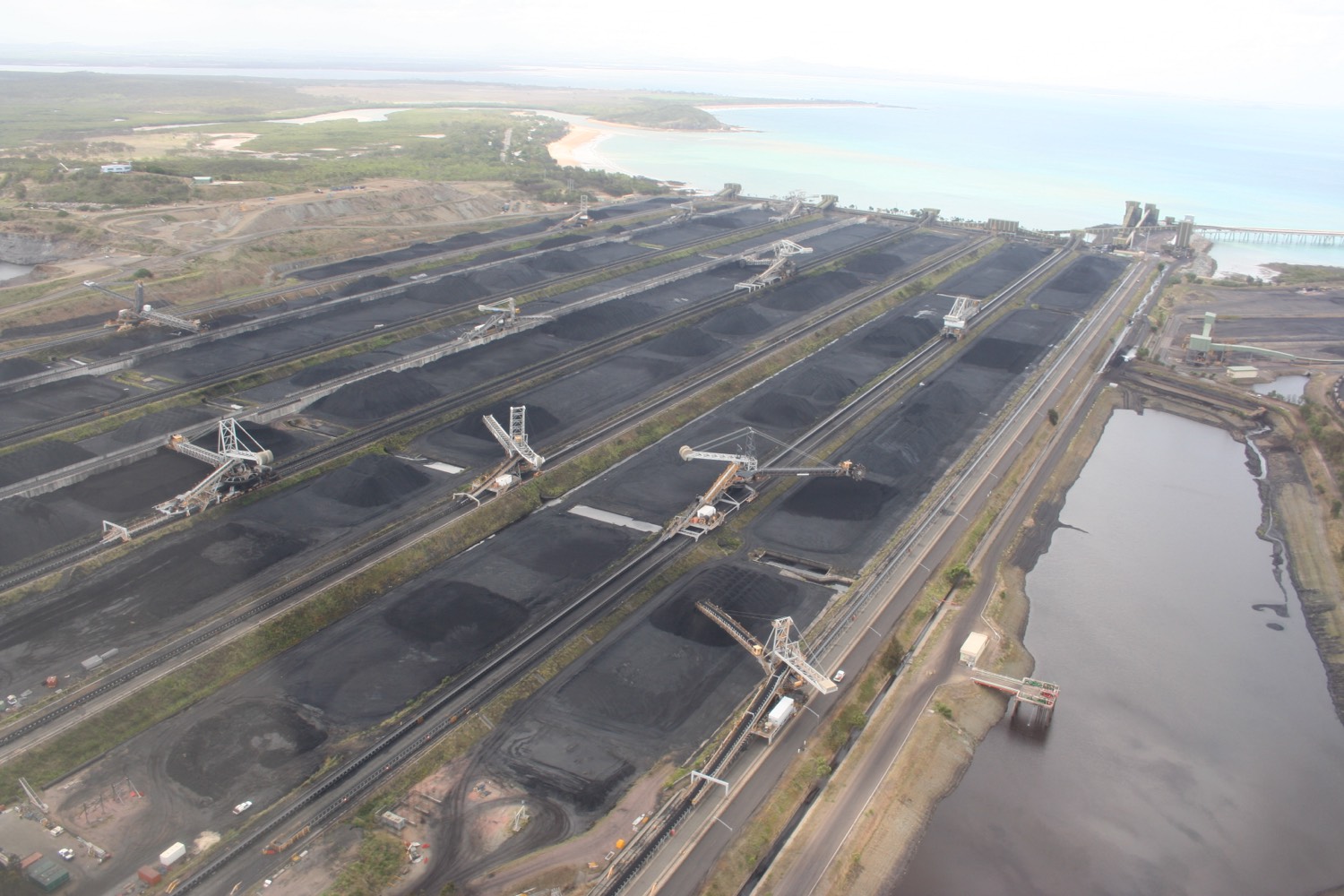
Three Bowen Basin coking-coal businesses, three different endings, one twelve-month window. Vitrinite — privately held owner of the Vulcan complex 35km south of Moranbah — went into receivership and administration on 22 February 2026 after senior secured creditor Trafigura called in KordaMentha and Cor Cordis. Vulcan was suspended in January and put on care and maintenance from 27 February, with over $400 million of debt, Trafigura's $177.3m secured claim, a further $265.9m in unsecured claims, and 348 workers stood down and owed more than $16m. Bowen Coking Coal (ASX:BCB) appointed administrators on 30 July 2025, the Burton complex and ~500 jobs in play, after a BUMA statutory demand for $6.8m — small money — tipped it over. Both ended up in the same buyer's lap: Argo Queensland, whose Argo Bowen 2 vehicle is taking 100% of Bowen via a deed of company arrangement. Fitzroy didn't collapse — it sold 70% to Argo Queensland in November 2025, with a Japanese investor taking 30%, putting Broadlea, Carborough Downs and Ironbark under new control. Same destination, three doors.
Here is the uncomfortable part, and it is our opinion, not a finding of fact: none of this was really about the coal.
Run a Vulcan or a Burton through copper or gold multiples and you get a free-cash-flow story. Run them through coal financing and you get a receiver.
That's the thesis of this desk. Take a met-coal producer with a 20-year reserve life — Vulcan carries ~62Mt of JORC reserves and ~147Mt of resources, producing 1.4Mtpa — and give it the cost of capital a Freeport or a Newmont ($NEM) enjoys. It screens well: real tonnes, real margins, real cash. Now give it the cost of capital coal actually gets. The IEEFA itself, no friend of the sector, documents that pure-play coal miners face financing and insurance "becoming increasingly expensive and difficult to secure on favourable terms", with the major banks ring-fencing thermal and tolerating only met. The equity bid for a small Australian coal float is, charitably, a rumour. So you fund the ramp-up on expensive debt and a trader's offtake-linked credit, and when the cycle turns the debt service eats the free cash flow you were counting on to grow — or to breathe.
In fairness — and Hard Truths means being hard on our own thesis too — the academic record is messier than the slogan. A 2025 review of bank exit policies finds the cost-of-capital effects of ESG-driven divestment are mixed at best, with borrowers often substituting into new capital. So the "ESG penalty" is real at the level of who will lend and at what tenor, less proven as a clean number on a WACC line. The honest read: ESG didn't fire the kill shot. It thinned the financing field, shortened the rope, and removed the equity backstop — so when prices fell, there was nowhere to refinance.
And prices did fall. Premium hard coking coal was up 32.9% year-on-year to about US$248.94/t into mid-May 2026 — recovering, but a long way under the ~US$439/t spike of September 2022 that these expansions were sized against. A diversified, cheaply-funded miner rides that. A single-asset, expensively-funded one doesn't.
Queensland's royalty regime — a top rate near 40% — gets cited in every one of these obituaries, and Bowen's rejected deferral request is part of its story. It matters. But it's a separate lever and we'll give it its own piece; don't let it crowd out the cap-table point.
The tell is who's buying. Argo and a Japanese partner are hoovering up Burton, Fitzroy's mines and bidding on the wreckage — seven parties were shortlisted for Vitrinite with final offers due 26 May. Patient, private, offtake-aligned money. The rocks didn't change owners because they got worse. They changed owners because the new owners can fund them.