The Policy DeskGovernment & Policy
Mining is a policy business wearing a geology costume. The orebody decides what is possible; governments decide what actually gets built, where it can be sold, and who is allowed to own it. Here is the desk that tracks the rules — because the rules move the price more reliably than the rocks do.
The house view: in this complex, political risk is the fundamental. A tier-one orebody in the wrong jurisdiction is a stranded asset; a mediocre one with a government subsidy and an offtake mandate behind it can print money. Read the statute before you read the drill results.
Latest from the Policy beat
We track the government levers that move mining and exploration investment across the major jurisdictions — royalties, exploration grants & incentives, trade restrictions and outright bans — and what each one does to the companies on the ground.
 Au · PreciousThe Water Cooler
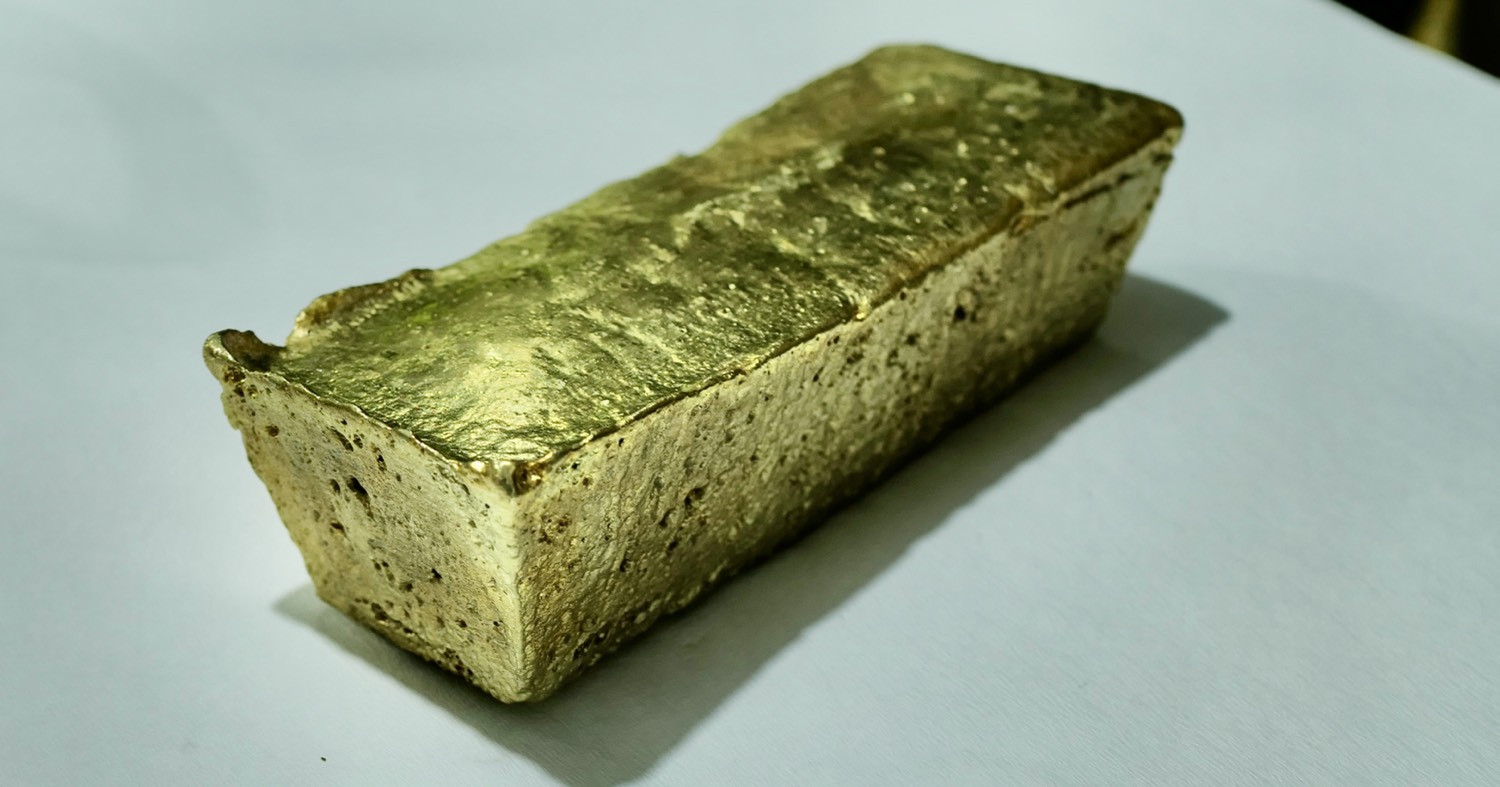
Gold has slipped from last week's three-month high to about $4,336/oz as traders whipsaw between a softening US labour market and a Fed chair signalling he may raise rates to fight sticky, war-fed inflation before the September 16 decision.
Sep 3, 2026CoCCuLiNi DeskConviction
 ASX:SMR
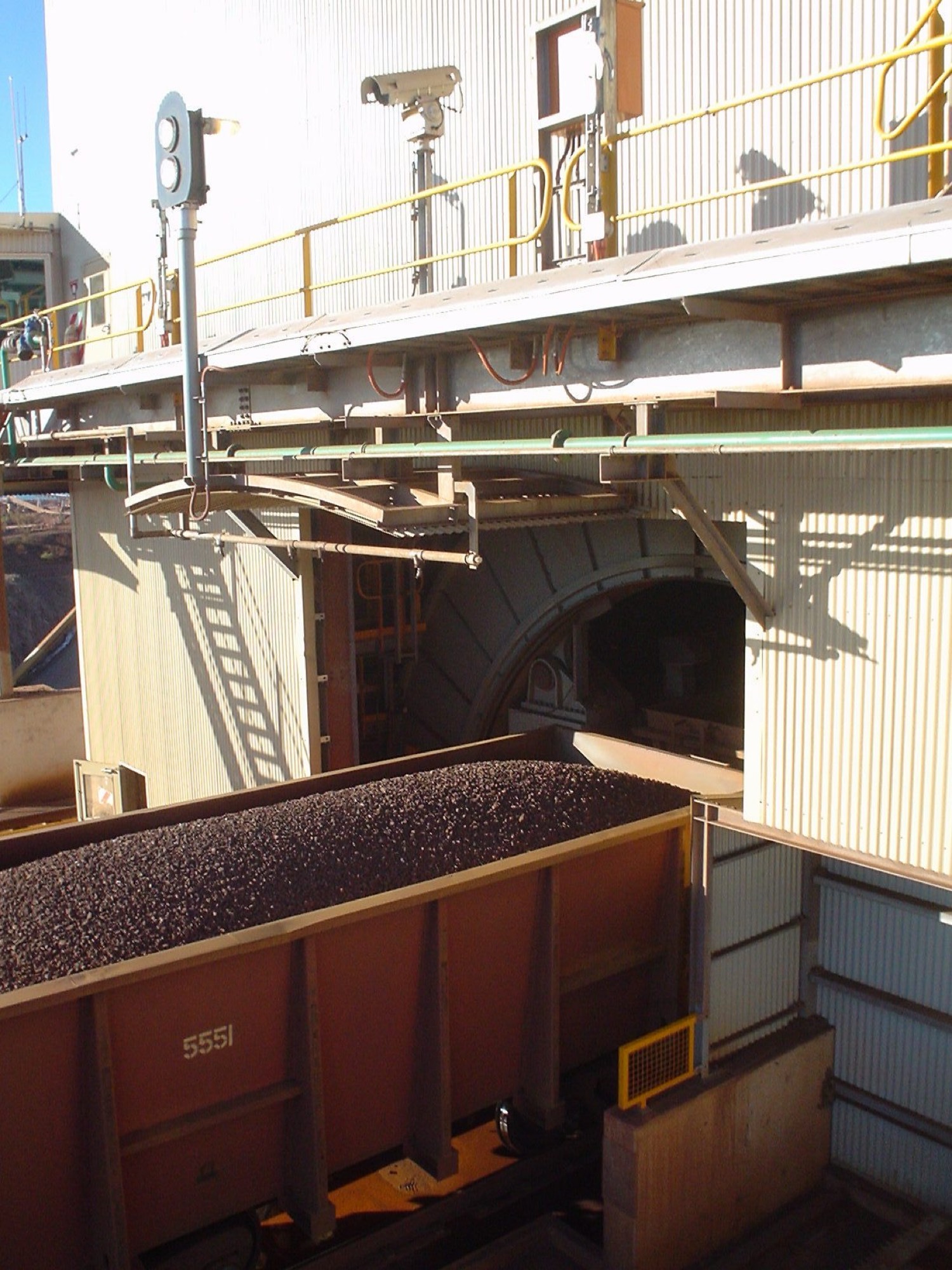
Stanmore Resources' first-half 2026 accounts are a cash-machine print dressed as a statutory loss: saleable production in line, realised prices up US$21/t, operating cash in, and a skipped interim. The number that actually moved is the royalty — US$109m to Queensland, against a US$44m loss for equity.
Sep 1, 2026CoCCuLiNi DeskConviction
 Fe · Ferrous
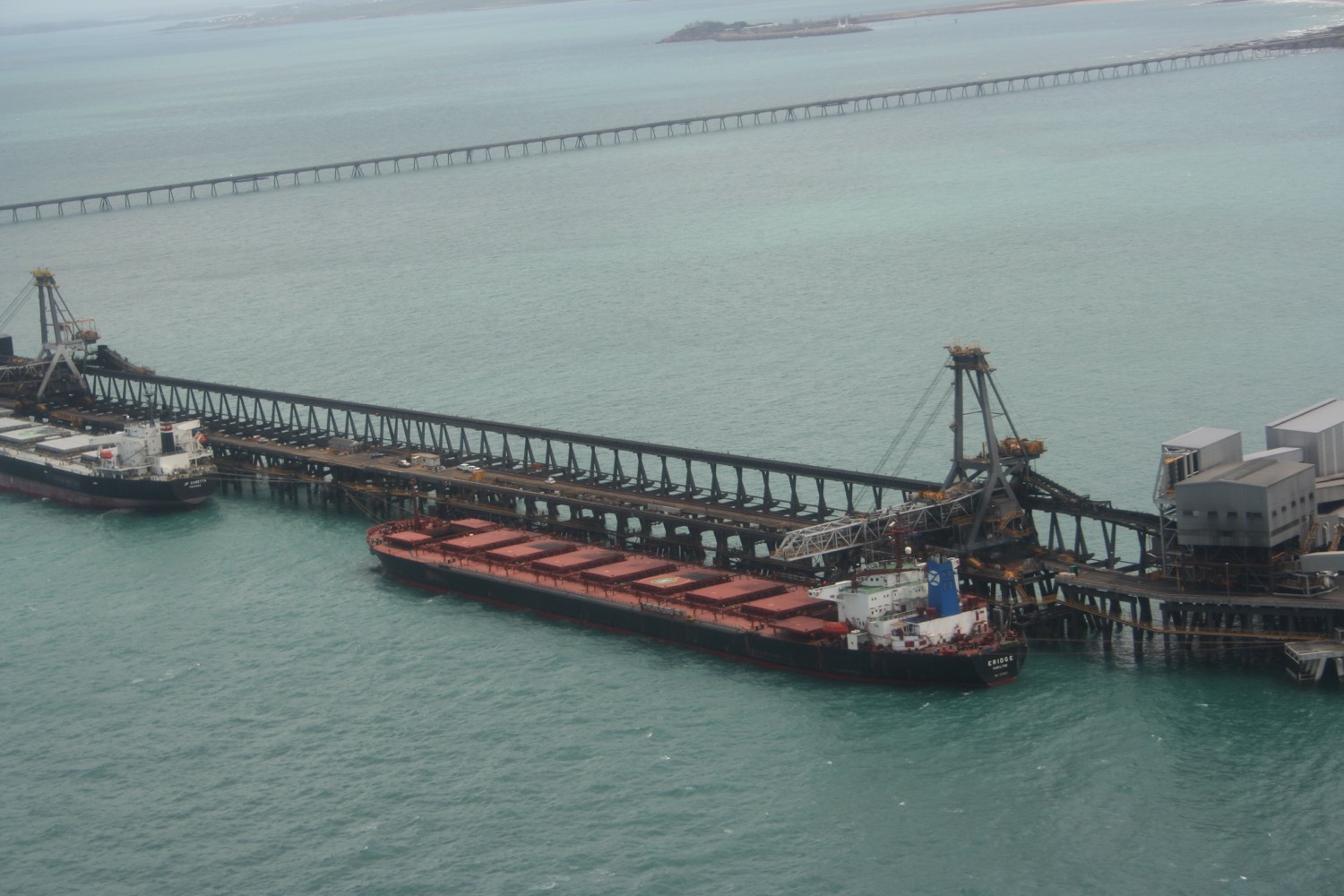
Queensland's top coal royalty rate is 40 per cent — nearly four times the Queensland Resources Council's cited global average of 12.9 per cent, and above New South Wales (10.8 per cent), the current US federal coal royalty (7 per cent), and British Columbia's net-revenue tax (2–13 per cent, and only after capital is recovered). QRC is a lobby group with an obvious stake in that comparison, but the design flaw underneath it — a price-tier royalty with no reference to cost — is real regardless of who's pointing at it.
Aug 31, 2026CoCCuLiNi DeskConviction
Li · LithiumJindalee Lithium (ASX:JLL) is folding its McDermitt project into a new US entity, US Elemental Inc., and merging it with Nasdaq-listed blank-cheque company Constellation Acquisition Corp I. Pro-forma enterprise value is pitched at US$571m, Jindalee keeps more than 80 per cent, and the combined company is targeting the ticker ULIT in Q4 2026 — pending shareholder and listing sign-off, a PIPE that isn't fully raised yet, and a live federal lawsuit over the project's exploration approval.
Aug 31, 2026CoCCuLiNi DeskConviction
Mkt · MarketsHard TruthsThe tape did not print a consumption boom. It printed a split: COMEX at a record, London in a squeeze, and the metal sitting in American sheds. That is tariff risk on the curve — not evidence the world suddenly needed more cathode.
Aug 30, 2026CoCCuLiNi DeskConviction
 Au · PreciousThe Water Cooler
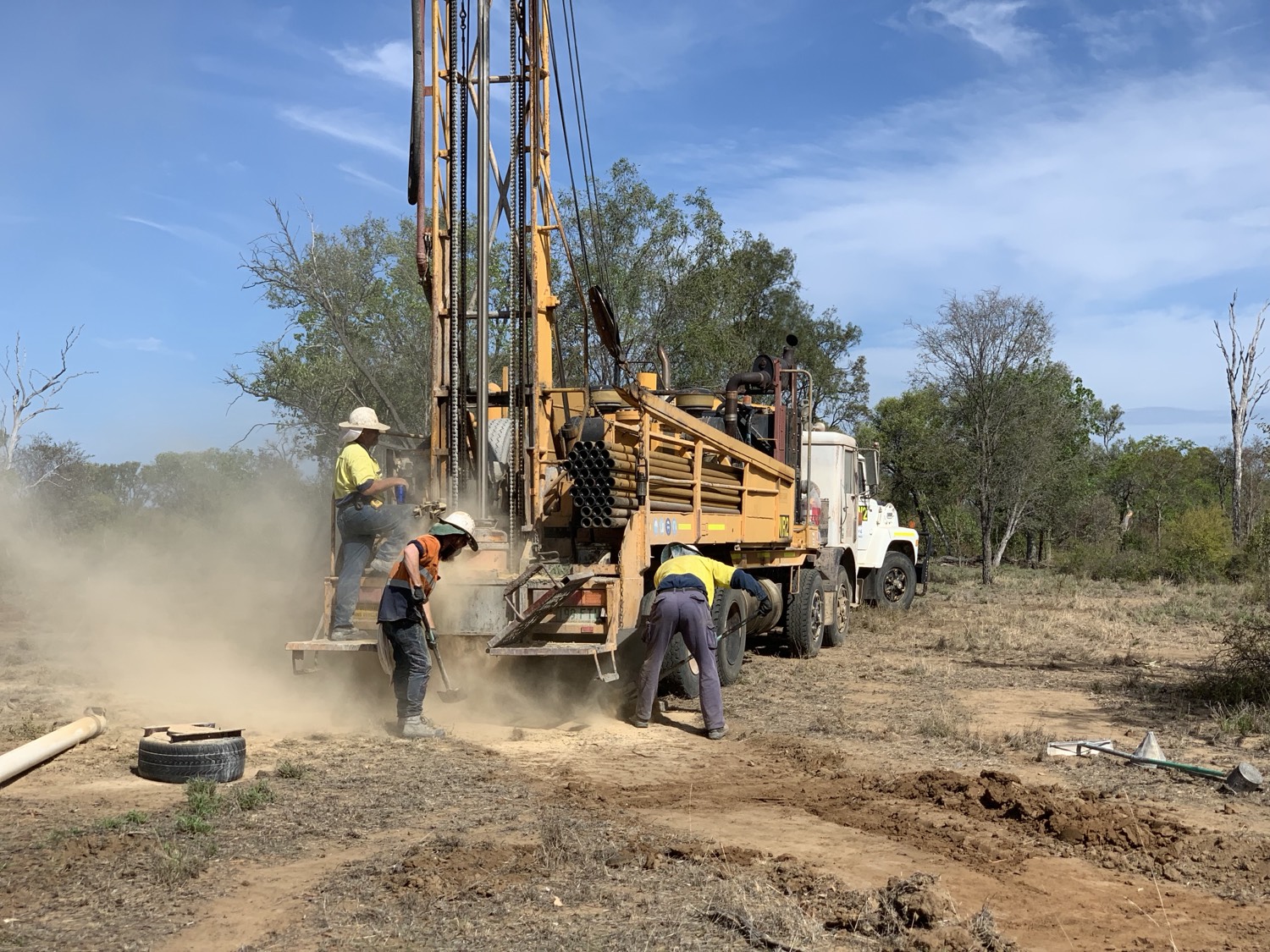
Right Resources (ASX:RRE), a ~$10m-market-cap explorer at Tumbarumba, NSW, is chasing a Reduced Intrusion-Related Gold System with CODES-backed geology — and found a coherent, open-ended tungsten anomaly next door in a market where China controls 85% of supply.
Aug 30, 2026CoCCuLiNi DeskConviction
The levers that actually matter
1. Export bans & downstreaming mandates
Indonesia's nickel ore export ban is the single most important policy move in the battery-metals era. By forcing processing onshore, Jakarta dragged the entire midstream — and a wall of Chinese capital — onto its own soil, reset the global cost curve, and left a lot of Western producers underwater. Every resource-rich government on Earth has now seen the playbook and wants its own version. Expect more bans, not fewer.
2. Critical-minerals lists
The US (USGS), the EU, Australia, Canada and others publish "critical" or "strategic" minerals lists. Inclusion is not cosmetic — it unlocks grants, fast-track permitting, stockpiling and defense-production authority. When a metal lands on a list, a funding spigot opens behind it. Watch the lists like earnings.
3. The IRA and the "friend-shoring" rules
The US Inflation Reduction Act tied EV subsidies to where the minerals are mined and processed and to who owns the supplier (the "foreign entity of concern" test). It is the most consequential industrial-policy lever in the West for this basket, and it is explicitly designed to build a non-Chinese supply chain. The catch: you cannot subsidize your way around the fact that China still controls most of the conversion capacity. Policy can change the destination; it cannot conjure refineries overnight.
4. Permitting & the speed of a mine
In the West, the binding constraint usually isn't geology or capital — it's the permit. A copper mine can take 15–20 years from discovery to first metal in the US, and a decent chunk of that is paperwork and litigation. Governments that say they want domestic supply and then keep 15-year permitting timelines are running a contradiction, and the market prices it accordingly.
5. Resource nationalism & royalties
From Chile's lithium strategy to the DRC's mining code to Mexico's lithium nationalization, governments are renegotiating their cut. The lesson for operators is old and permanent: the deal you signed is the deal until the host government decides it isn't.
6. Tariffs, stockpiles & defense
Tariffs on processed metal, strategic stockpiling, and defense-production authority are the blunt instruments. They are increasingly aimed at one structural fact: China's dominance of refining and of graphite, rare earths and gallium/germanium. Export controls cut both ways now.
How we cover it
Policy stories get the same treatment as everything else here: a clear take up top, the actual mechanism explained in plain language, the primary document linked, and a disclosure line wherever the desk's owner has a position adjacent to the policy in question. We are opinionated about whether a policy will work — we are not in the business of telling you how to vote.
See policy-driven stories on the Markets desk →
