
The Pilbara has a habit of turning a May judgment into an August weather event. This week: two notices of appeal, same Wednesday, same Federal Court award, opposite directions.
On 26 August 2026 the Western Australian government confirmed it would appeal the landmark native-title compensation judgment against Fortescue ($FMG). The Yindjibarndi Ngurra Aboriginal Corporation (YNAC) had already said it would appeal the amount. ABC News and a Reuters dispatch carried by The Straits Times both put those filings on the same day. The State wants “clarity on the law.” YNAC wants a different measure of loss. Fortescue, asked this week, declined to comment.[1][2]
What the May court put on the page
ABC, citing the Federal Court, reported that Fortescue was found liable for $150 million in cultural losses and $150,000 in economic losses, plus interest, and framed the payout as a record $150.3 million. Reuters, as carried by The Straits Times, reported the same cultural award as A$150 million, then a different economic-loss figure: A$136,757, plus A$217,152 in compound interest on that economic-loss amount. The desk is not going to average those economic lines or invent a “true” total. The outlets disagree. Quote each. Leave the gap where it is.[1][2]
ABC attributed the May reasons to Justice Stephen Burley; Reuters called it one of the largest payouts under Australia’s native title laws.[1][2]
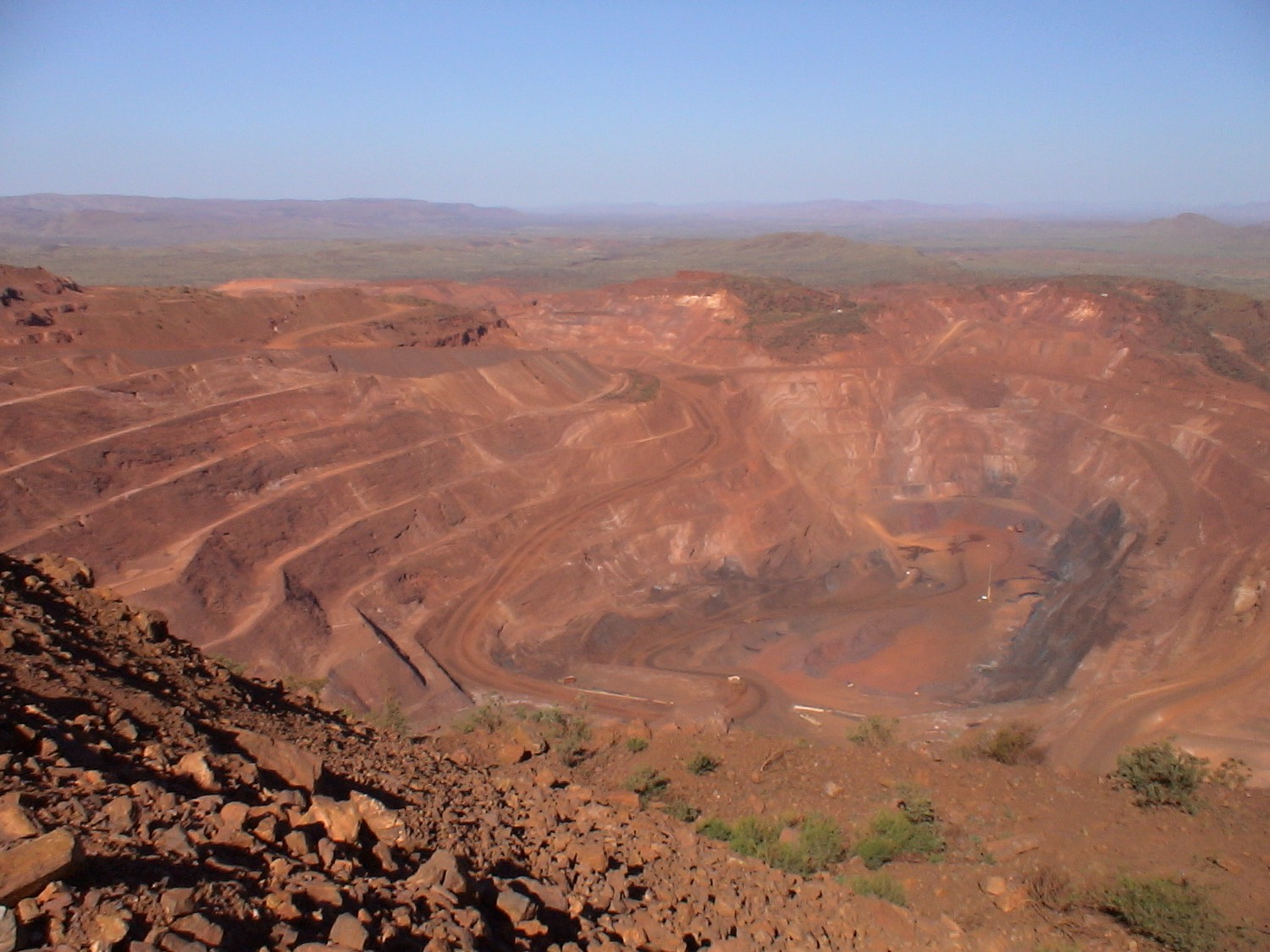
Both reports describe iron-ore mining on Yindjibarndi country without an agreement with YNAC. ABC said the dispute concerned the construction of four Pilbara iron ore mines without permission from the corporation. Reuters said Fortescue had continued to mine on Yindjibarndi native-title land since 2012 without an Indigenous Land Use Agreement or any other agreement with YNAC. ABC, separately, reported that the Solomon Hub operations had generated $80 billion in revenue for the miner since they began in 2013. A revenue figure, not a royalty.[1][2]
Reuters, reporting from the full judgment, said the Federal Court found significant damage had been done to Yindjibarndi song lines and other areas of cultural heritage, including 240 sites designated by Fortescue as heritage places, of which 124 had been completely destroyed. The court noted, Reuters said, that this damage was legal and approved through government processes, but without the approval of YNAC, which holds exclusive native title rights over the land.[2]
ABC reported that the State escaped any financial burden when the $150.3 million payout was handed down in May. YNAC had argued that if the State were found liable, it should pay a proportion of the rents and royalties it received from Fortescue, estimated — ABC’s word — to be in the billions of dollars. The Federal Court, ABC said, instead upheld the WA Mining Act and shifted all responsibility to the miner. The desk will not turn “in the billions” into a number the page does not print, and it will not treat the court’s economic-loss award as that royalty argument in miniature.[1]
On the record, and only on the record
Attorney-General Tony Buti, in a statement confirming the State’s appeal, said the government supported “proper compensation” for the impact of mining on country. Reuters has the rest of the line: “Native title compensation is a complex and emerging area, and it is important that we have clarity on the law to support future negotiations and native title settlements across the State.” ABC reported that the WA government has refused to say on what grounds it is appealing. The desk is not going to fill that silence with a theory.[1][2]
YNAC chief executive Michael Woodley said the corporation’s decision to appeal came after a unanimous vote. “Our appeal addresses the Court’s rejection of a royalty-based measure of compensation for economic loss and its application of freehold value to our native title rights based on pastoral rather than mining use,” he said. Reuters reported that YNAC’s appeal related to both economic and cultural loss; that the group argues the court should have tied compensation to typical royalty payments under Pilbara native title agreements, and instead assessed economic loss on land value while disregarding the iron-ore deposits; and that the group also argues it is entitled to compensation for social division caused by the mine. Woodley, again on ABC: “The state government has a responsibility to also provide support and protection to the Yindjibarndi community from miners.”[1][2]
ABC reported that, during the initial hearing, the State argued compensation should be no more than $10 million, while Fortescue sought a limit of $8.1 million. ABC said YNAC’s filing seeks a payout closer to the $1.8 billion lawyers argued the Yindjibarndi people were owed. Reuters, describing the original claim, said the group had brought a claim against the miner and the State for A$1 billion in cultural loss and in excess of A$800 million in economic loss, arguing they should be paid a share of the profits from the mine. Two pages, two ways of stating a large claim. The desk is not adding them into a new figure, and it is not calling either number a royalty that has been found due.[1][2]
Fortescue, ABC said, had been contacted for comment. Reuters said Fortescue declined to comment, but has previously said it sought to reach settlement with YNAC for 15 years and has paid the awarded sum. Paid, on that reporting. Still appealed, by the other two parties. ABC noted an almost two-decades-long legal battle, and that some Elders had expressed disappointment at the amount awarded when set against Solomon Hub revenue. Reuters placed the fight against a wider Pilbara backdrop: miners updating agreements with Indigenous groups since Rio Tinto ($RIO) destroyed two culturally significant rock shelters at Juukan Gorge in 2020.[1][2]
Analysis
The wry fact of 26 August is that everyone with a stake in the May orders kept the fight on foot, except the company that, on Reuters’ telling, has already paid. The State is not, on ABC’s reporting, on the hook for the cheque; it is on the hook for the precedent. YNAC is appealing because the court, in Woodley’s words, rejected a royalty-based measure of economic loss and priced native-title rights off pastoral freehold rather than mining use. Different complaints. Same filing date.
Economic loss as found is not a royalty. ABC’s $150,000 and Reuters’ A$136,757 are both reported as economic-loss awards. They are not the same number, and neither is a substitute for the royalty argument the court declined. We will not invent a “true” figure in the gap between two wires, and we are not going to tell you who should win. Native-title compensation, on the Attorney-General’s own words, is a complex and emerging area. Two appellants have now asked a higher court to emerge it in different directions. That is the weather. The ore is still on the belt.
This commentary is independent. It is not financial, legal, or tax advice, and it is not a prediction of any appeal. Readers should verify the Federal Court reasons, the notices of appeal, and the companies’ own filings. Past performance and commodity prices change.
This is an opinion piece. It reflects the views of the CoCCuLiNi Desk, is based on the sourced facts cited below, and is not a statement of fact about any company or person.