
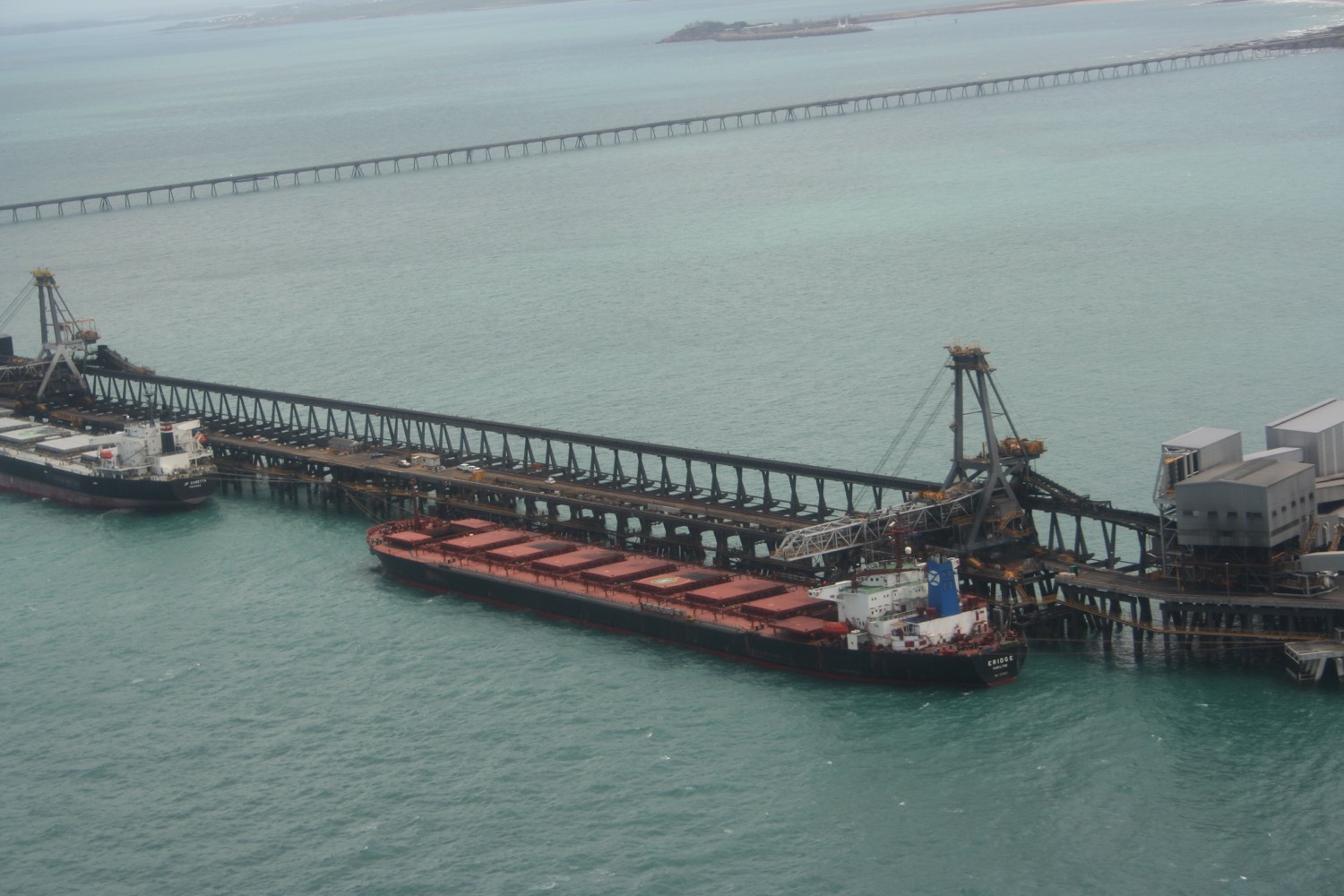
The High Court dismissed MACH Energy’s appeal over the Mount Pleasant expansion on 7 October. The dispute concerned how downstream emissions were considered in the approval process. It was a setback for the expansion, not an order to close the existing mine. ABC’s account of the judgment explains the distinction.
NSW’s statement says a separate approval permits operations until 2032, the expansion can be reconsidered, and extensions remain possible. Those qualifications matter before anyone declares Australian coal finished.
Opinion: do not give away the golden goose
Our view is that Australia should be extremely reluctant to surrender an export business without a credible account of what replaces it. A policy can reduce Australian production while leaving overseas customers looking for the same fuel. If another exporter supplies it, Australia could lose income and investment while achieving less climate benefit than advertised.
That is the strongest version of the golden-goose argument. It is a conditional economic argument, not a measured outcome of this judgment. We cannot say that every withheld Mount Pleasant tonne will be replaced, that replacement coal will have higher emissions, or that the decision has already cost a particular number of jobs. The sources here do not establish those claims.
Our concern is the investment signal. Would you finance a long-life project if you could not price the approval path? In our assessment, uncertainty can penalise even projects that ultimately secure permission. The sensible response is a legible assessment process with an explicit economic and environmental test, rather than assuming either that every extension is essential or that every refusal is a climate victory.
The strongest counterargument
The residents’ case was that emissions from combustion overseas can cause harm locally and must be considered. ABC reports that the majority required consideration of conditions to minimise greenhouse emissions, including Scope 3. NSW also points to the Hunter Valley Operations approval as evidence that its planning framework can consider those emissions. That is the government’s position.
We think proponents should meet that standard. An economic advantage does not excuse an incomplete assessment. Equally, acknowledging climate harm should start the calculation, not end the discussion about substitution, energy security and regional livelihoods.
What a credible replacement test would ask
Our proposed test has three parts: what buyers would do without the extra coal; which alternative suppliers could deliver comparable fuel, when and at what cost; and how emissions differ between continued production, replacement supply and reduced consumption. It should also test lower demand and faster technology substitution, rather than choosing the assumptions that rescue the project.
Until those questions are answered, “the world will fill the void” is a plausible thesis, not a sourced certainty. “The emissions disappear with the approval” is no safer an assumption.
The Take: protect Australia’s competitive edge by making the decision properly. The goose deserves an economic model. The climate deserves a global one.
Opinion and analysis, as of 9 October 2026. Do your own research: read the linked documents and current filings before making financial decisions.